From Tap to Paid: A Smoother Way to Bill and Get Paid Locally
Map the Money Journey
Spot the Bottlenecks
Stand beside your team during a busy hour and simply observe. Are cards declined because the terminal loses connection near the door? Does staff re-enter totals from a paper ticket into a separate app? Do customers wait while you hunt a printed invoice? Naming these snags shows exactly where a lighter step, a cable, a hotspot, or a template can transform frustration into smooth momentum.
Choose the Right Mix of Ways to Pay
Not every neighborhood needs every option, yet offering the right combination changes outcomes. Cards, contactless wallets, QR pay links, bank transfers for large invoices, and buy now pay later for projects each serve different moments. Start with three reliable methods that cover most situations, then add one more where customers ask. Keep signage clear, fees transparent, and receipts consistent to build trust immediately.
Coach the Frontline
Tools help, but confidence closes payments. Role-play quick phrases to guide customers: a short explanation of tap-to-pay, a friendly fallback when a chip fails, or a calm walkthrough for remote invoice links. Encourage staff to confirm totals aloud, point to return policies, and offer digital receipts. These micro-habits cut disputes, speed lines, and turn a checkout into a reassuring, repeatable experience customers recommend.

Point-of-Sale That Works as Hard as You Do
Select a system that handles items, taxes, discounts, and tips without fuss. Test tap, chip, and swipe flows with real orders. Make sure the drawer opens, printers talk, and screens do not lag during rushes. Try refunds and exchanges before day one. The best setup is boring in the best way: predictable, consistent, and trusted by both staff and customers, even on the busiest Saturday.
Contactless and QR Simplicity
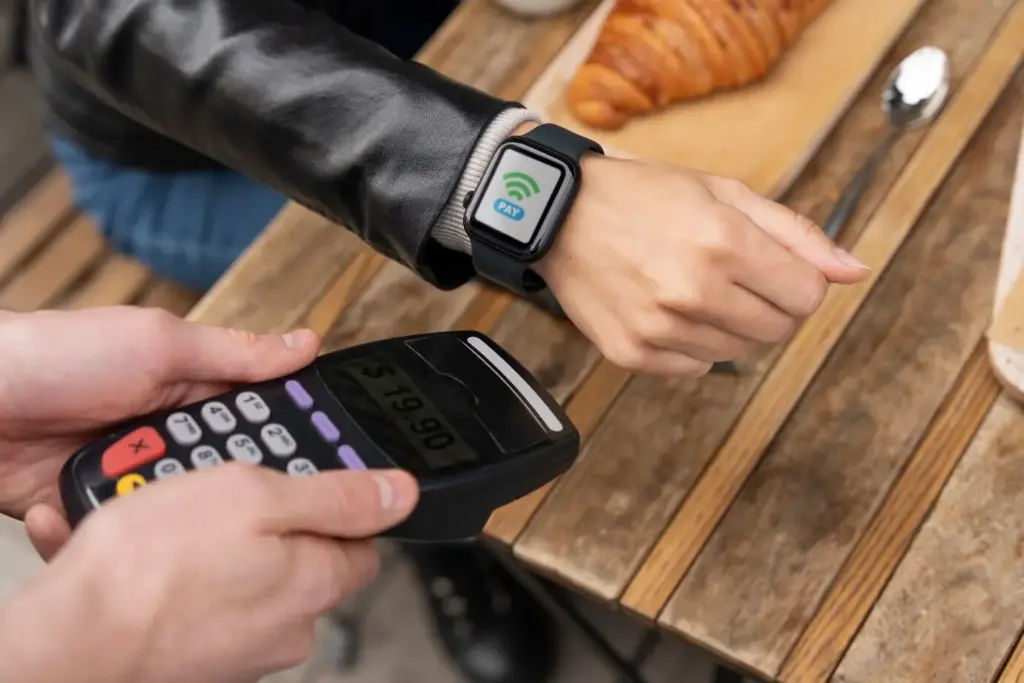
Contactless payments reduce handling, speed up lines, and feel modern. Add a stable, well-placed reader so customers see where to tap without asking. For deliveries, services, and quick pickups, QR codes linked to instant pay pages remove awkwardness. Ensure links open quickly, totals are correct, and tip options are thoughtful. Share a small tent card explaining how it works, and watch hesitations turn into confident, quick approvals.
Mobile and Curbside Readiness
When payment moves outside the counter, the experience must follow. Equip team members with paired readers, portable batteries, and offline fallback. Preload common items to avoid typing in the wind or rain. Confirm names and totals aloud to prevent mistakes. For multi-stop days, schedule brief check-ins to sync transactions and recharge. Customers value the convenience of paying on the spot, without phone calls or later invoices that get forgotten.
Invoicing That Writes Itself
Reusable Templates That Save Minutes Daily
Create templates for your most common jobs: one-time services, recurring maintenance, and special orders. Pre-fill descriptions, unit pricing, tax rules, and payment instructions. Include a friendly thank-you note and a link to support. This consistency prevents miscalculations, reduces back-and-forth, and preserves your voice even when multiple staff issue invoices. Over time, refine wording based on which versions get paid faster and trigger fewer clarifying questions.
Clear Terms Customers Actually Read
Short beats complicated. Place due dates, accepted methods, and late fee policies near the total. Explain deposits, milestones, and delivery timing in two or three plain sentences. If custom work is non-refundable, state it kindly but firmly. Link to a page with details for those who want more. When expectations are honest and readable, most customers respect the process, and the few disputes resolve faster with documented clarity.
Get Paid Faster With Less Chasing
Deposits and Milestone Billing
Friendly Reminders That Actually Work
Reconcile, Report, and Sleep Better